
 ™
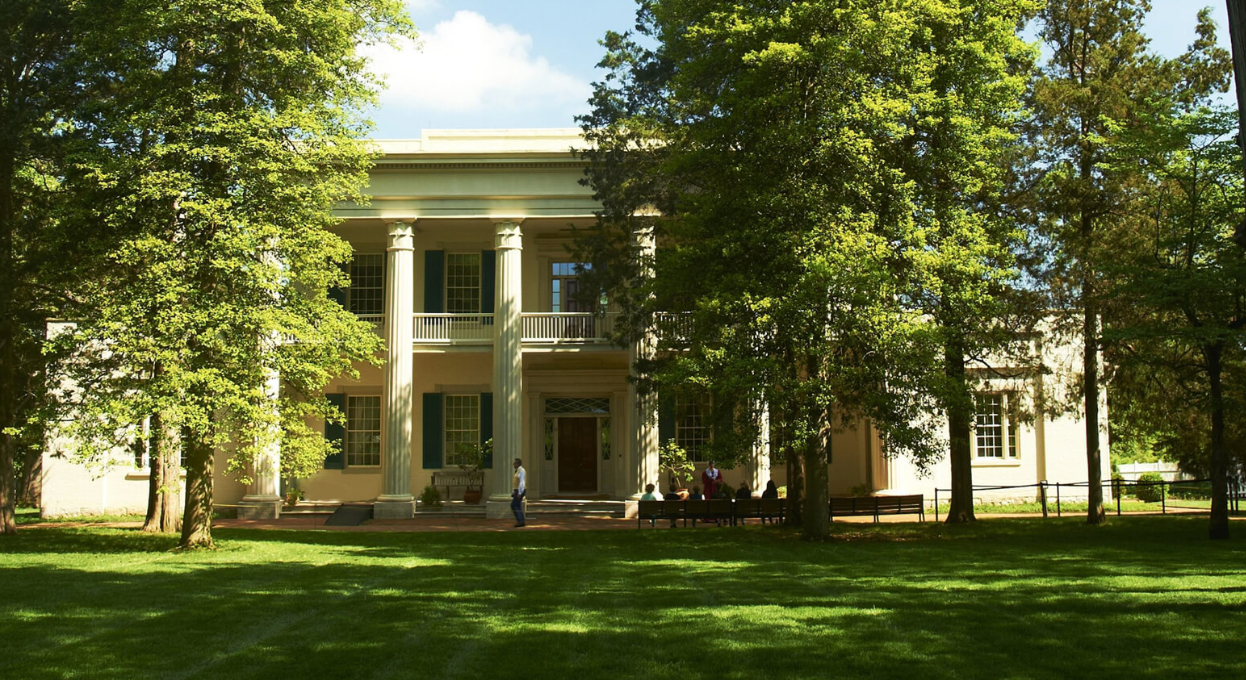
Andrew Jackson's Hermitage
The mission of the Andrew Jackson Foundation is to preserve the home place of Andrew Jackson, to create learning opportunities and to inspire citizenship through experiencing the life and unique impact of Jackson.
Preserve, Educate, Inspire
Know before you go
Directions Andrew Jackson’s Hermitage 4580 Rachel’s Lane Hermitage, TN 37076 The Hermitage is just 20 minutes from downtown Nashville and 5 miles from both the Gaylord Opryland Resort and Convention Center and the Nashville International Airport. From I-40 East, take exit 221A and follow Old Hickory Boulevard north until you see the entrance sign for The Hermitage on the right. From I-40 west, take exit 221 and follow Old Hickory Boulevard north until you see the entrance sign for The…
Parking address: 4580 Rachel's Lane, Hermitage, TN 37076
General opening hours. Events can run outside them.
Andrew Jackson’s Hermitage is open from 9 a.m. to 6 p.m. The Ticket Office closes at 5 p.m. Please arrive 30 min. prior to your scheduled tour The last tour starts at 5pm Tours at The Hermitage happen rain or shine, and no refunds will be issued as a result of inclement weather.
More about Andrew Jackson's Hermitage
Andrew Jackson's Hermitage: Home of the 7th US President
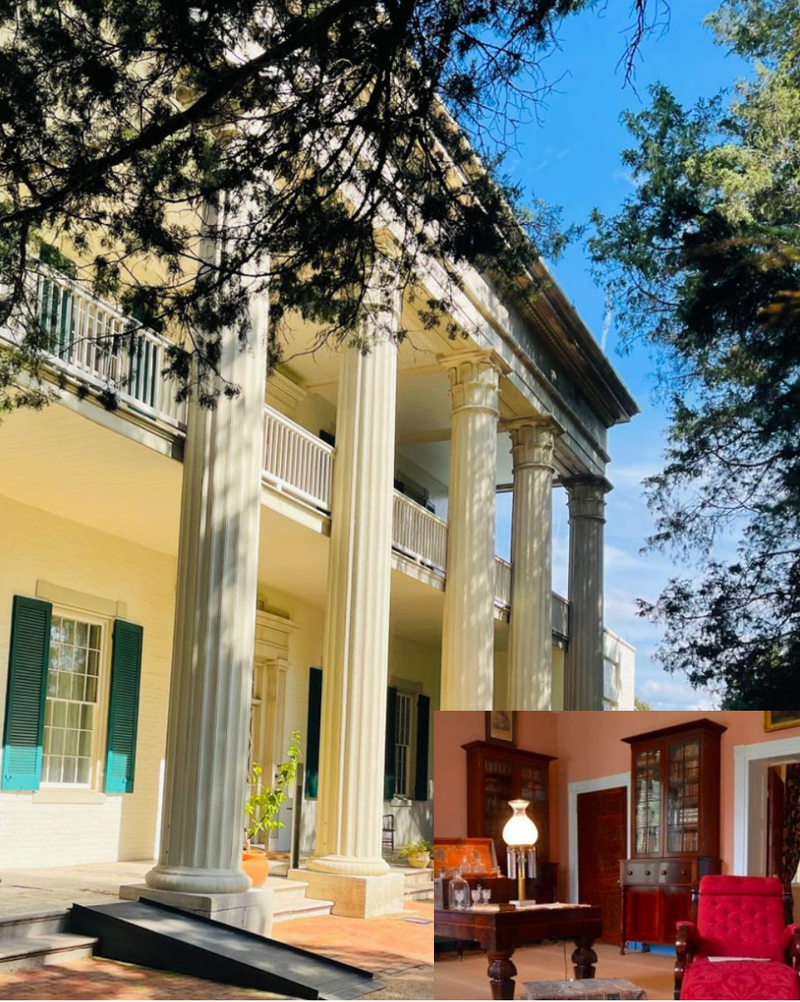
Step into the world of Andrew Jackson, where history comes alive within the walls of his magnificent house. Uncover the tales of this enigmatic figure as you wander through the rooms that witnessed his larger-than-life personality, making your visit an unforgettable journey into the past.
When to Visit
Andrew Jackson’s Hermitage is open from 9 a.m. to 6 p.m. The Ticket Office closes at 5 p.m.
Please arrive 30 min. prior to your scheduled tour
The last tour starts at 5pm
Tours at The Hermitage happen rain or shine, and no refunds will be issued as a result of inclement weather.
How to Buy Tickets
Tickets are sold at the Hermitage Ticket Office and online. Purchasing your ticket in advance for the day and time of your choosing is the best way to guarantee your entry into The Hermitage Mansion.
If you do not have a ticket before you arrive at The Hermitage, you can use your smartphone to purchase a ticket online or purchase your ticket at the Ticket Office. If maximum capacity for your time period has been reached, you will not be able to purchase a ticket with access to the mansion.
If you are having issues purchasing online, please call us at 615-889-2941, and we would be happy to walk you through the process.
Tours at The Hermitage happen rain or shine, and no refunds will be issued as a result of inclement weather.
What is included in a ticket?
All tickets purchased to The Hermitage include access to the Andrew Jackson Center, where our film, Jackson, is shown, as well as where our museum and exhibit is located. You also are able to visit the garden, other historic buildings on the site and enjoy walking trails, historical markers and more on the 1,120 acres that make up The Hermitage. Our audio tour is also included. Don’t forget to stop by Natchez Hills Winery for your discounted wine tasting as well!*
Mansion Tour tickets include a guided tour of The Hermitage Mansion.
Specialty tour tickets (including our VIP Tour, In Their Footsteps Tour, Hermitage Garden & Arboretum Tour and Commander in Chief Tour) include completely guided tours.
*Available for Grounds Pass, Mansion Tour and specialty tour ticketholders 21 and older
What if I arrive late or the day / time I want is sold out?
All tickets for Mansion Tours and specialty tours are sold on a timed-entry basis. If you miss your entry time, please let the mansion staff know ASAP. Our team will accommodate you as soon as they can. Otherwise, your ticket includes access to the Andrew Jackson Center and museum, as well as a self-guided audio tour of the garden and grounds.
Please reserve tickets ahead of time in order to secure admission on the day you prefer. If Mansion Tour tickets are sold out for any given time or day, please select another date or time to visit.
Please note: Grounds Passes are always available for purchase!
Are Dogs Allowed?
Grounds Pass Tour: Yes, our Grounds Pass allows dogs to roam the historic grounds of The Hermitage as long as they remain leashed.
They are not allowed inside any building, including The Hermitage Mansion or Andrew Jackson Center. Please bring bags to dispose of waste.
The Mansion Tour: No dogs other than Service dogs trained to perform a specific skill for a person with a disability are the only animals allowed within museum buildings.
Museum Store
The Museum Store is currently open from 9 a.m. to 5:30 p.m.
History of the Hermitage
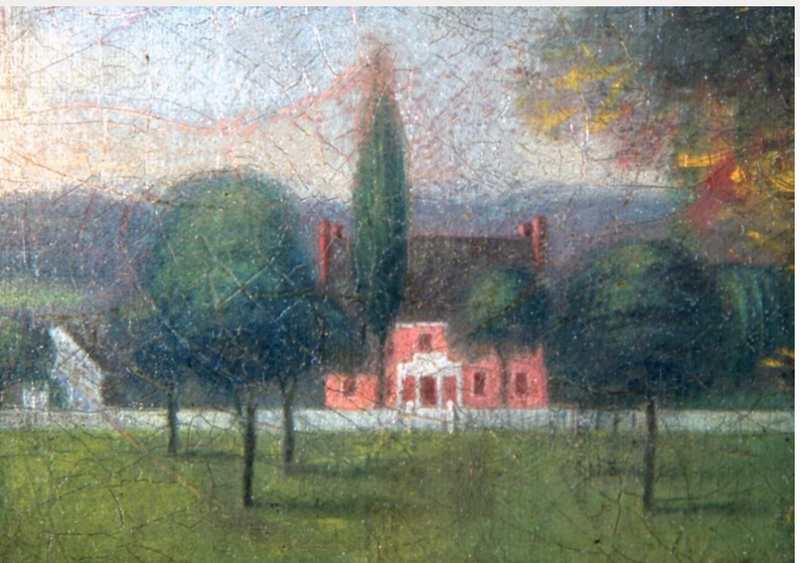
Andrew Jackson purchased the property that is The Hermitage as a 425-acre farm from his neighbor Nathaniel Hays on July 5, 1804. Called “Rural Retreat,” he eventually used the French term “Hermitage.” Jackson then expanded The Hermitage land into a plantation with one goal in mind: To produce cotton as a money-making enterprise.
The first farm Jackson purchased in the Nashville area was named Poplar Grove. He and wife Rachel resided there from 1792-1796. They then moved to the 640-acre Hunter’s Hill on the Cumberland River. To be more financially secure, Jackson sold Hunter’s Hill to purchase the smaller Hermitage farm.
History: The Hermitage As A "King Cotton" Plantation
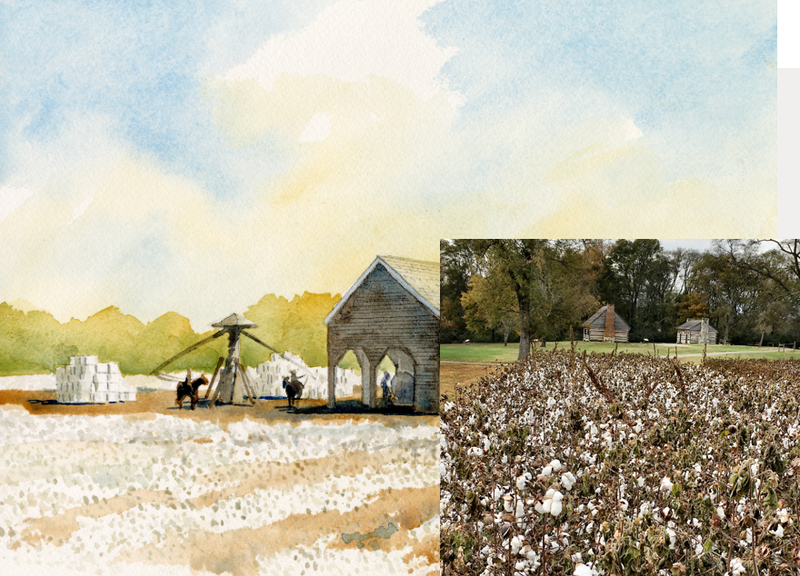
By definition, The Hermitage was a plantation during Andrew Jackson’s life and made cotton its business. Cotton plants covered about 200 of the 1,000 or so acres.
A plantation is a large farm devoted primarily to growing a singular type of crop for profit. Although a minor sector within larger southern society, the elite plantation aristocracy controlled the majority of wealth and power in a primarily agricultural-driven landscape. Their cash crop was cotton, and “King Cotton” ruled with a heavy hand throughout southern plantations.
The expansion of cotton production into the interior American South by 1800 was fostered by the insatiable demand for cheap cotton by the textile mills of Great Britain and New England. Native American tribes had practiced agriculture for more than 1,000 years in these fertile lands. This fertile, dark soiled “Black Belt” through Alabama and Mississippi became the center of King Cotton’s realm.
However, planters stretched the ecological limits of the land as they sought their fortunes. Tennessee was the northernmost outpost of cotton production in the antebellum South, but the climate allowed for only a narrow window of success in planting this cash crop.
Andrew Jackson knew he would eventually have to cease depending on cotton for income. The land was wearing out, the price of cotton was falling and the limited growing season made it a great risk. By 1845, the year of Jackson’s death, he described the price of cotton as “ruinous.” By 1860, only 12 percent of farms in the slave states of the American South could be classified as plantations.
Prior to the American Civil War (1861-1865), enslaved workers performed the demanding labor required of a plantation. The perpetual process of planting, weeding and then picking required by “King Cotton” dictated the daily lives of the enslaved.
By the time of Andrew Jackson's death, it took more than 160 enslaved workers--about 100 for the cotton alone--to conduct the daily work of the plantation and to satisfy the needs of the Jackson family, including cooking, cleaning, gardening and driving the carriages.
History: Plantation & Diverse Agriculture
Though cotton was the cash crop at The Hermitage, other produce was also grown. Corn was raised primarily to provide basic sustenance for the enslaved. Oats, wheat, barley and other grains were produced to feed the Jackson family and the enslaved as fodder for livestock. In the garden, potatoes, sweet potatoes, peas and beans were also planted and tended by the enslaved.
The Hermitage had orchards with diverse varieties of apples, pears, peaches, quince, cherries and other fruits. Hogs supplied the basic allotment of protein. Milk cows, beef cattle and sheep also provided food for The Hermitage residents, enslaved and free. Hay from the pastures fed animals, and trees from the woodlot heated the mansion.
History: Following Jackson's Death
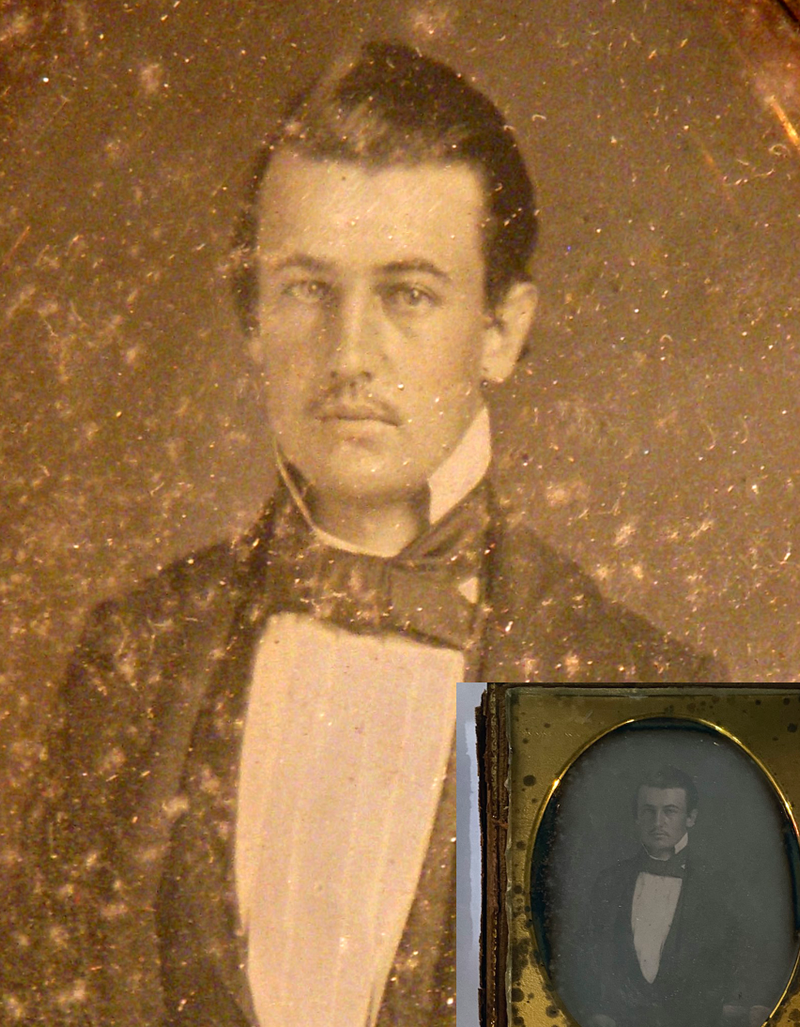
Andrew Jackson, Jr. inherited The Hermitage following General Jackson’s death in June 1845. Falling cotton prices, bad financial decisions and natural disasters sunk Junior deeper into the debt he had accumulated. Junior sent some enslaved to the family Halcyon Plantation in Mississippi during the late 1840s, where many died during the 1849 cholera epidemic. Junior sold Halcyon the same year. The Census of Agriculture of 1850 shows a record of 94 bales of cotton being produced at The Hermitage, the same year he purchased ironworks in Kentucky. After a fire in 1853, the ironworks was sold, along with the enslaved working there.
Dairy products, especially butter, became increasingly important products for sale. In 1850, The Hermitage produced 1,000 pounds of butter.
Andrew Junior began to sell most of The Hermitage farmlands to individuals, and in 1856, hoping to move operations to new locations in Mississippi and Louisiana, he sold The Hermitage to the State of Tennessee. The new plantation was under construction, so the family leased The Hermitage back from the state for two years. By 1858, Junior and Sarah lived in the South and brought most of the enslaved with them.
Once the family left, agriculture at The Hermitage nearly came to a halt in the years just before the Civil War. There is no entry for The Hermitage in the Census of Agriculture for 1860. In early 1861, as the Civil War progressed, Andrew Junior and Sarah returned to The Hermitage. The state allowed them to live as tenants for the remainder of their lives.
History: Enslaved Community
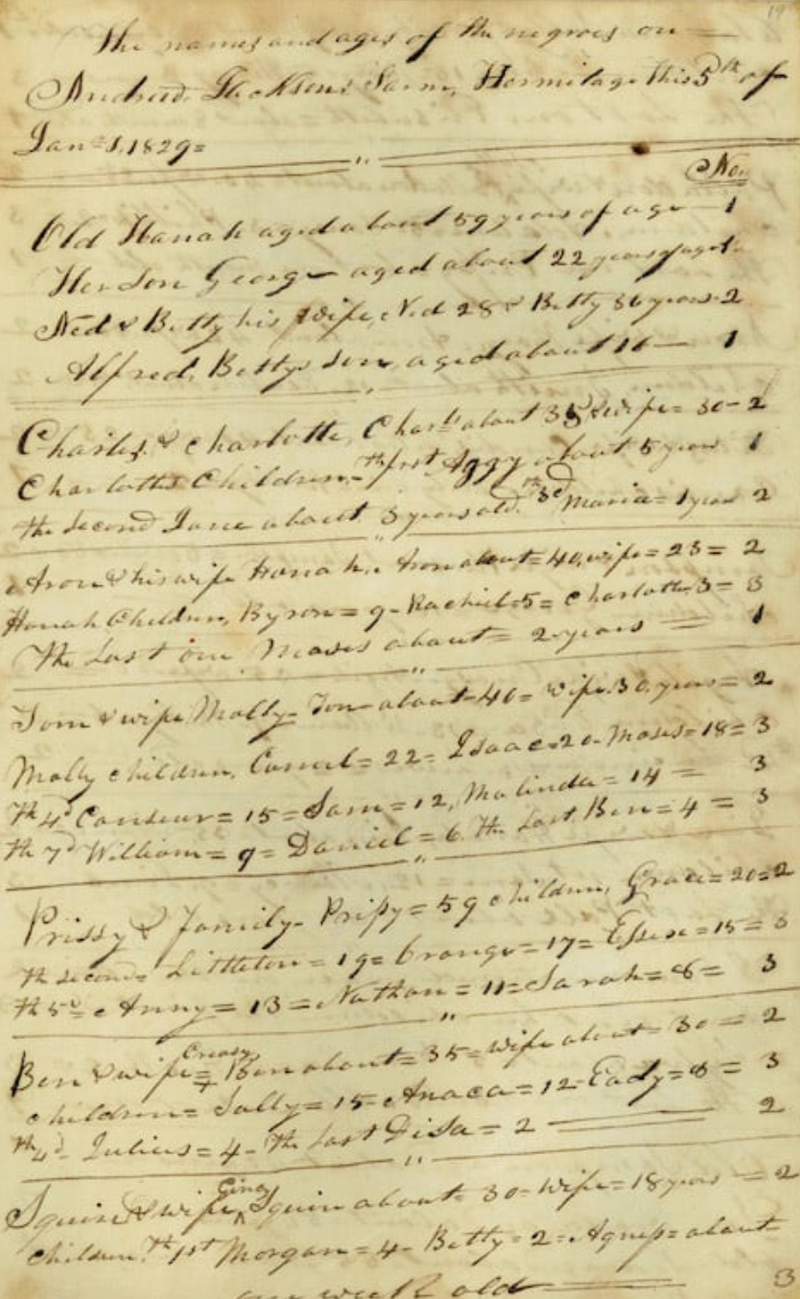
The slavery system allowed Jackson’s agriculture plan to be successful. The Hermitage endeavors to recover rare personal information about the African American men, women and children who also called this place home. Letters, diaries and newspapers seldom existed for the millions of African Americans enslaved in the United States. The Hermitage enslaved community is mentioned in sources like family letters, bills of sale, runaway notices, business accounts and newspaper articles.
Andrew Jackson encouraged the slaves at The Hermitage to form family units, which was common for slave owners to do. Although the enslaved could not be legally married, the coupling of African American men and women in plantation “marriages” allowed for the creation of enslaved families. This was thought to discourage slaves from attempting escape, as it would be much more difficult for an entire family to safely flee from captivity.
In the 1970s, archaeologists began uncovering more information about their lives at The Hermitage. Since then, more than 600,000 associated artifacts have been discovered. These objects speak volumes about the enslaved individuals who also called this place home. Visit the Digital Archaeological Archive of Comparative Slavery to examine the types of artifacts discovered and the stories they tell.
History: Enslaved Memorial
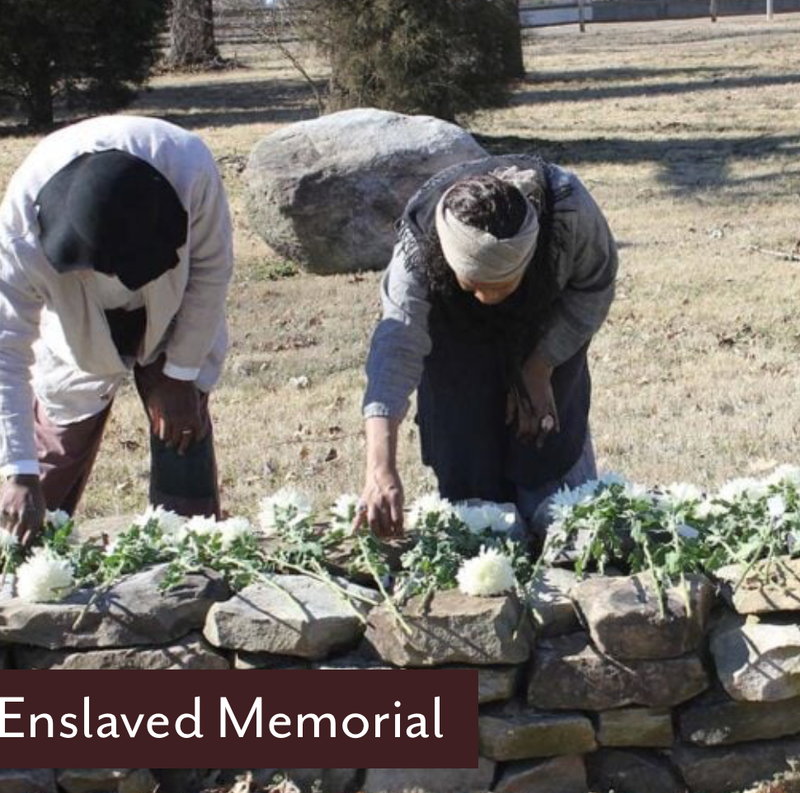
Funded by the Cracker Barrel Foundation, Our Peace, Follow the Drinking Gourd stands as a memorial for the enslaved individuals while at the same time providing a place for everyone to reflect upon the continuing legacy of slavery.
Perhaps no song is more closely associated with the Underground Railroad than “Follow the Drinking Gourd,” which the enslaved would sing to teach them how to find and follow the North Star, one of the stars in the Little Dipper, to freedom. To memorialize these enslaved people, The Hermitage commissioned a memorial that was erected just outside the Hermitage Church on former plantation land that previously belonged to a Donelson relative. Funded by the Cracker Barrel Foundation, Our Peace, Follow the Drinking Gourd stands as a memorial for these individuals while at the same time providing a place for everyone to reflect upon the continuing legacy of slavery.
Andrew Jackson Foundation
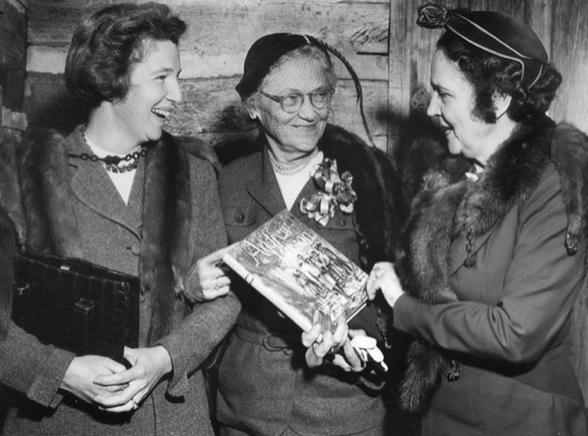
The Andrew Jackson Foundation, a 501c(3) nonprofit organization that was originally named the Ladies’ Hermitage Association, operates The Hermitage daily.
Their aim is to increase the public’s understanding of the life and times of Andrew Jackson, to discuss their relationship to events of today and to inspire citizenship and pride in our nation. The Andrew Jackson Foundation endeavors to accomplish this through preservation, interpretation, exhibition, education, research and publication.
A Brief History
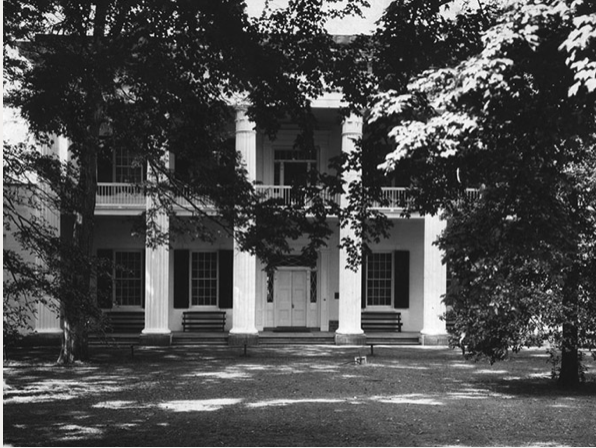
Nashville’s premiere historic site, The Hermitage, was once home to our 7th U.S. President, Andrew Jackson, from 1804 until his death in 1845.
Remodeled by Jackson after a fire destroyed much of it in 1837, the mansion is a National Historic Landmark maintained to look just as it did in then. Interpreters lead visitors through the mansion, in which more than 80 percent of the objects are original to Jackson’s lifetime. On the acres surrounding the mansion are the humble log homes where the enslaved community lived and where the Jackson family first settled.


