
 ™
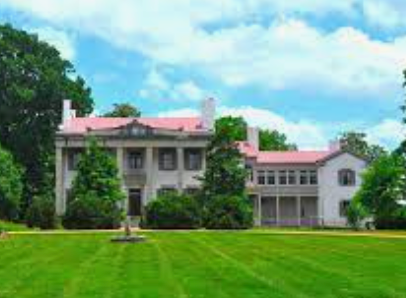
Belle Meade Historic Site & Winery
Belle Meade is dedicated to the preservation of Tennessee’s history, architecture, hospitality, and equestrian legacy. Guests can enjoy Historic Tours, Family Tours, Wine & Food Pairings, Bourbon Tastings, and Chef-Inspired Food & Wine Pairings, knowing that the purchase of these experiences supports the educational mission of Belle Meade.
The history of Belle Meade is covered in two tours. The Mansion Tour tells the century-long history of Belle Meade through the stories and experiences of the Harding and Jackson families, as well as the women, men, and children who labored here. The Journey to Jubilee Tour invites discussion and explores the stories of the enslaved African-Americans who were brought to, and born at, Belle Meade from 1807 through the years following Emancipation.
From the complimentary wine tastings to our on-site shopping loved by the locals, Belle Meade provides many activities for guests to be immersed in Tennessee history and hospitality.
Know before you go
General opening hours. Events can run outside them.
Belle Meade's Meat & Three restaurant is open for Dine-In and To Go from 11:00a.m. -3:00 p.m. daily "Meat & Three" features hickory-smoked meats, fresh cooked vegetables, rolls and cornbread, and house-made desserts. Enjoy your meal in the temperature-controlled dining room, on our outside covered deck, or get it to go!
More about Belle Meade Historic Site & Winery
HISTORY
The history of Belle Meade is covered in two tours. The Mansion Tour tells the century-long history of Belle Meade through the stories and experiences of the Harding and Jackson families, as well as the women, men, and children who labored here. The Journey to Jubilee Tour invites discussion and explores the stories of the enslaved African-Americans who were brought to, and born at, Belle Meade from 1807 through the years followig the Emancipation.
WINE & BOURBON EXPERIENCES
Welcome to Nashville's Oldest Winery Belle Meade Winery is located in the heart of Belle Meade Historic Site. The winery offers a variety of wine, food pairings, and bourbon tastings while preserving the art of southern hospitality.
DINING: Belle Meade Meat & Three Restaurant
Belle Meade's Meat & Three restaurant is open for Dine-In and To Go from 11:00a.m. -3:00 p.m. daily
"Meat & Three" features hickory-smoked meats, fresh cooked vegetables, rolls and cornbread, and house-made desserts. Enjoy your meal in the temperature-controlled dining room, on our outside covered deck, or get it to go!
DINING: Coop n' Scoop
The 1862 Chicken Coop was renovated in 2018 and is now our Coop ‘N Scoop. Guests will find ice cream, pastries & coffee in partnership with Frothy Monkey, and other special items including craft soda!
WINE SHOP
Located inside the Winery, this shop has an abundance of food and wine related gifts that will please some of your most selective shoppers.
THE LOFT SHOP
For our afterhours and Chef-Inspired guests, the shop in The Rochford Loft for Culinary Arts, is devoted to great Southern cooking with a curated selection of pottery, glassware, linens, tabletop gifts, and kitchen gadgets.
HISTORY: TIMELINE
1807 In February, John Harding purchased a well-watered, 250-acre tract of land on the east side of Richland Creek, seven miles from Nashville. He likely saw it many times as he passed back and forth to Nashville from his father’s home on the Harpeth/Natchez Road. The property had been a part of a 640-acre preemption grant made by the state of North Carolina to Daniel Dunham in 1786. John Harding brought three enslaved individuals to the property: Ben, who was purchased in Richmond, Virginia in 1806; Dicey, who was purchased from his father; and Patrick, who he inherited in 1810 when his father died.
1816 John Harding placed an ad to breed his stallion, Boaster in the Nashville Banner, essentially beginning the Thoroughbred stud business on this site.
1819 John Harding purchased building materials and construction of a simple, two-story brick Federal Style home began. It was upon its completion that John named the property “Belle Meade” (translates to “beautiful meadow”) after his father-in-law’s estate.
1823 The Belle Meade racing silks (the uniform that a jockey wears in a horse race) were registered in 1823. The Harding family’s silks were active until the 1980s, and were one of the longest running silks in the country.
1853/1854 John Harding’s son, William Giles Harding began construction of a two-story, 24-foot by 55-foot addition to the home. In keeping with the Greek Revival style of the mid-nineteenth century, the new home was “bold in silhouette, broad in proportions, and simplified in detail
860 By the mid-nineteenth century, the Harding family had become one of the wealthiest landowners in the area. Census records show that William Giles Harding owned 136 enslaved individuals, placing him in the top 4.5% of slave-holding families in Davidson County. This total included 33 women, 40 men, and 63 children, aged 10 and younger.
1861-1865 On June 8, 1861, Tennessee became the last state to secede from the Union. Nashville was a Confederate stronghold until it fell to Union forces in February of 1862. William Giles Harding had been on the Military and Finance Board in Nashville since 1861, and he donated $500,000 to the Confederate Army. When the Confederates were defeated at Nashville, William and other prominent Southerners in the city were sent to a military prison at Mackinac Island, Michigan. William remained there until September 25, 1862. While he was away, his wife, Elizabeth, ran the farm in his absence.
The year 1865 brought many changes to the United States, and to Belle Meade. In January, the 13th Amendment was passed. By April, the Civil War was effectively ended when General Lee surrendered on April 10, 1865. In September, John Harding, died at the age of 87. The ratification of the 13th Amendment in December ended the era of slavery in our country.
1870s William Giles’ daughter, Selene, married William Hicks Jackson in 1868. Their three children were born in the 1870s. The fourth generation of the Harding-Jackson family is pictured here at the dollhouse built for them in the 1870s. During these years, Jackson learned the management of the Belle Meade stud from his father-in-law.
1871 In June of 1871, William Giles Harding and his son, John Harding Jr., traveled to Glen Flora Farm in Illinois and purchased a stallion named Bonnie Scotland for $450. Foaled in England in 1853, the bay horse was by Iago and the great broodmare Queen Mary. Bonnie Scotland was the greatest sire to ever stand at Belle Meade and his descendants represent more than two-thirds of all Kentucky Derby winners to date, including 11 Triple Crown Winners. Bonnie Scotland died in 1880, the same year he was named the leading sire in American racing.
1883 William Giles Harding had a stroke and passed management of Belle Meade to William Jackson. He and his wife, Selene, began to renovate the Greek Revival home by replastering and repainting the interior of the house. They also added running water to the home at this time and converted the farm office into a bedroom for William Giles Harding. The exterior of the house was painted a stone color, with a darker color on the shutters.
1884 A Gothic Revival stone building was built to house a steam-powered butter churn. By the time the Dairy and Engine House were operational, the fully mechanized structure produced up to 140 pounds of butter per week, made from the milk of over 100 Jersey cows. The Belle Meade Dairy was second only to their thoroughbred business in terms of revenue generated.
1886 William Hicks Jackson bought an internationally famous stallion, Iroquois, from Pierre Lorillard in New Jersey. In 1881, Iroquois was the first American born horse to win the Epsom Derby in England, making him a superstar in the racing world. As a result of Iroquois joining the breeding stock on the farm, the 1887 Yearling Sale brought record attendance to Belle Meade with over 4,000 guests. Iroquois’ presence on the property continued to bring international attention to the site until his death in 1899.
1892 The Carriage House was built to house the Jackson’s vehicles, and an adjoining stable – equipped with gas lights and running water – was built to house the carriage horses. In that year, the couple also renovated the home and added a formal dining room.
1901-1906 The Belle Meade Yearling Sale was held for the first time in Madison Square Garden in New York City in 1901. William Hicks Jackson officially retired in 1902 and turned over management of Belle Meade to his son, William Harding Jackson. Both Jackson and his 29-year-old son passed away in 1903, within three months of each other. The back-to-back deaths, combined with a sizable debt on the estate, led the remaining family members to sell the stud business, the home, and the property.


